
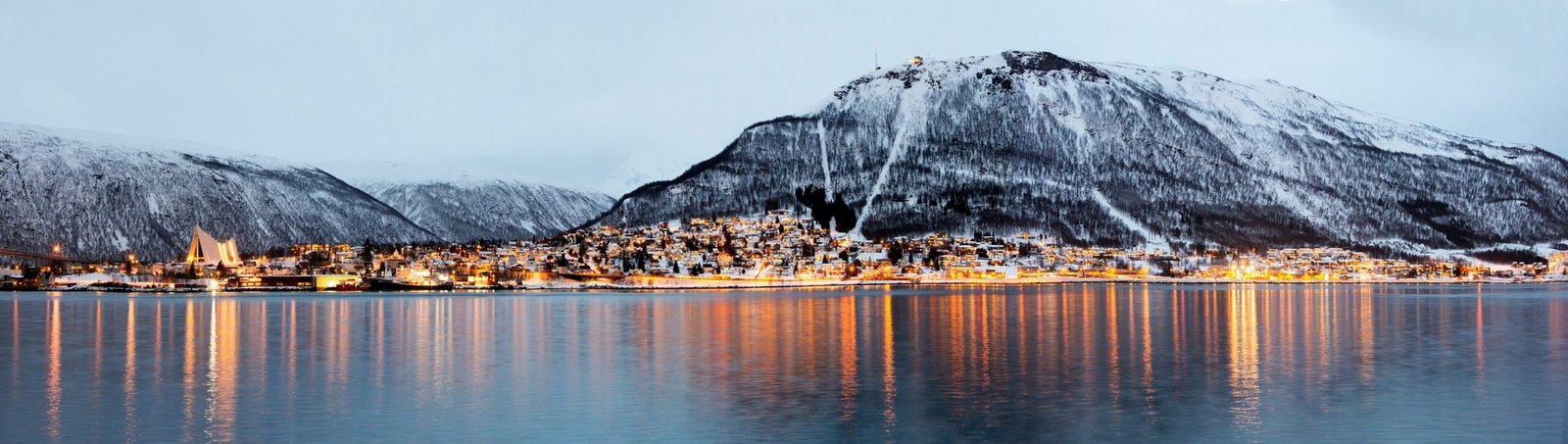
Most travel guides about Tromsø are written by people who visited for a long weekend, saw the Northern Lights, and went home. This one is different. I live here — in Tromsø, year-round, with my family — and I’ve experienced every phase of the Arctic winter from the inside. This guide is what I wish I’d had before we moved.
Whether you’re coming for one week or dreaming about a longer stay, this is the most complete, honest, and practical winter guide to Tromsø you’ll find. I’ll tell you what the brochures leave out, what’s genuinely worth your time, and exactly how to make the most of a city that rewards curious visitors.
Why Tromsø in Winter? (The Real Answer)
The honest answer is this: Tromsø in winter is one of the most complete travel experiences on Earth. Not just for the Northern Lights — though those are extraordinary — but for the combination of wilderness, culture, food, and raw Arctic atmosphere that you genuinely cannot find anywhere else at this scale.
Tromsø is a real city of around 77,000 people, with a university, a lively café scene, great restaurants, and a population that is genuinely at ease with the dark and cold. That matters for a traveller, because it means the infrastructure is excellent, the service is warm, and there’s actually something to do on a night when cloud cover kills your aurora plans.
📍 LOCAL INSIGHT
A lot of visitors arrive expecting a remote outpost. Tromsø surprises them. We have a proper city here — yoga studios, decent wine bars, a film festival, a Sami culture week. The wilderness is 20 minutes from your hotel, but you’re not roughing it.
Here’s what winter in Tromsø actually offers:
- Northern Lights from late September to late March
- Whale watching (orcas and humpbacks) from October to January
- Dog sledding on mountain plateaus above the city
- Reindeer experiences and Sami cultural camps
- Snowmobile safaris across open Arctic wilderness
- Snowshoeing and winter hiking in dramatic landscapes
- Fjord cruises in polar darkness and absolute silence
- World-class Arctic seafood and a restaurant scene that punches way above its weight
- The polar night — total darkness above the Arctic Circle — and the extraordinary blue-hour light that surrounds it
When to Visit Tromsø in Winter
The winter season runs October through March, but the experience is very different month to month. Here’s an honest breakdown:
| Month | Aurora | Whales | Daylight | Crowds |
|---|---|---|---|---|
| October | ✓ Good | ✓ Peak | 4–8 hrs | Low |
| November | ✓ Good | ✓ Good | 1–4 hrs | Low |
| December | ✓ Best | ✓ Yes | Polar Night | High |
| January | ✓ Excellent | Ending | 0–2 hrs | Medium |
| February | ✓ Excellent | — | 2–6 hrs | Medium |
| March | ✓ Good | — | 6–12 hrs | Lower |
January and February are where I’d send most first-time visitors. January gives you the deepest darkness for aurora hunting. February adds a return of daylight — enough to actually see the landscape — without sacrificing the long, dark nights. The snow is also usually at its best in February, which matters if you’re doing outdoor activities.
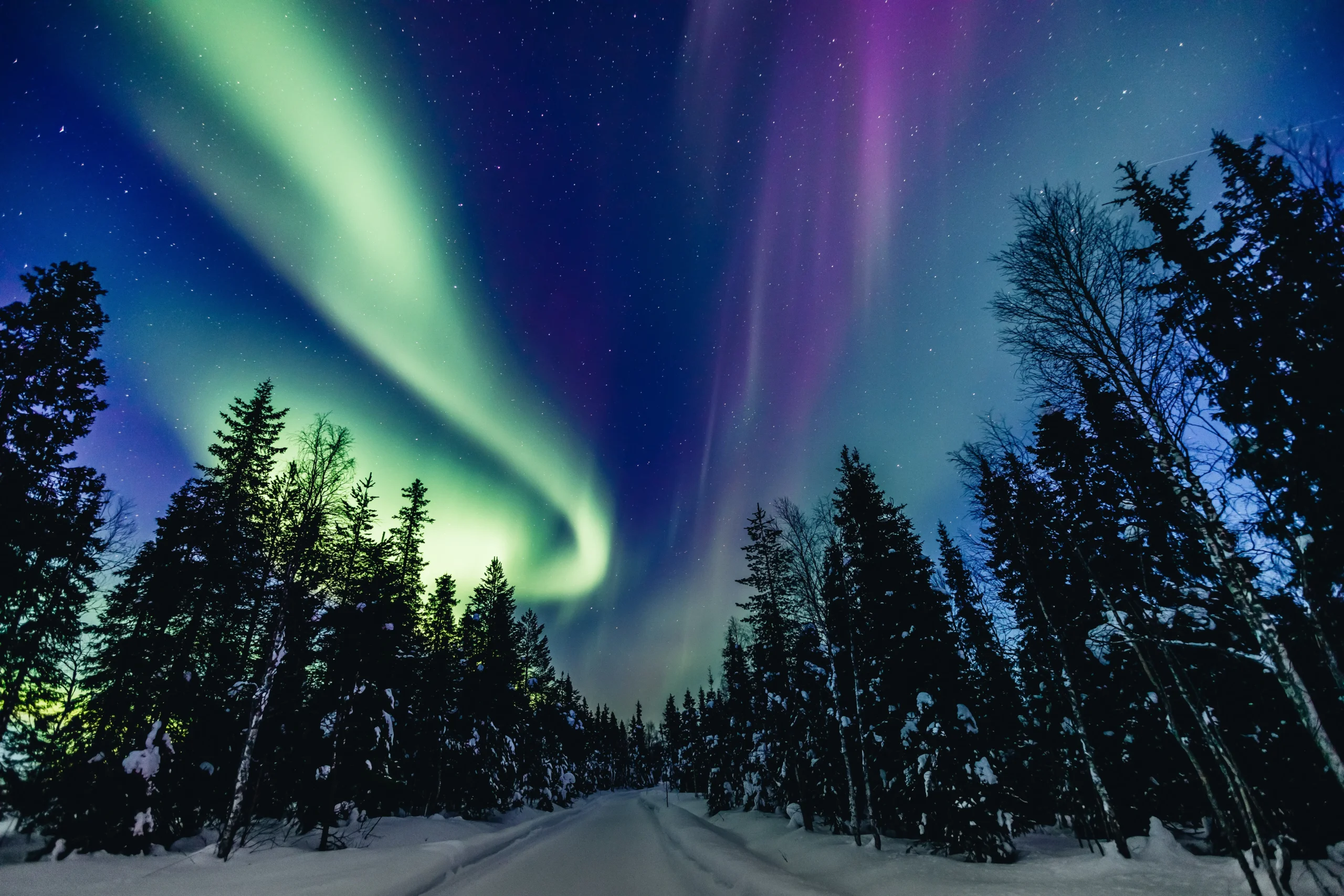
📍 LOCAL INSIGHT
February is my personal favourite month in Tromsø. The sun starts coming back — just a few hours at first — and the light on the snow is like nothing I’ve seen anywhere else. The city feels alive in a way it doesn’t quite manage in the deepest polar night. If I were planning my first visit, I’d come in late January or February.
How to Get to Tromsø
By Air
Tromsø Airport (TOS / Langnes) is the main gateway. SAS and Norwegian both fly direct from Oslo multiple times a day — the flight takes around two hours. From Bergen, Trondheim, and Bodø there are also direct connections.
International visitors usually fly into Oslo (Gardermoen) and connect north. Total travel time from London or other Western European hubs is typically 4–5 hours including the connection. Seasonal direct routes from London Gatwick, Amsterdam, and Copenhagen exist — check current schedules, as these vary by year.
⭐ MONEY-SAVING TIP
- Book Norwegian domestic fares Oslo–Tromsø well in advance. Fares under NOK 400–600 (around €35–55) are common on flexible dates.
- If your dates are fixed, book as early as possible — prices climb sharply as the date approaches.
- Check both SAS and Norwegian for the same route. The price difference can be significant.
Getting Around Tromsø
The city centre is compact and walkable. Most hotels, the main harbour, the Polar Museum, and the Arctic Cathedral are within 20–30 minutes on foot. In winter, pavements can be icy — proper grip on your boots is essential, not optional.
The local bus network (Troms Fylkestrafikk) connects most of the island reliably. A single journey with a travel card costs around NOK 39–45, and the buses run to the airport too. For most activities, your tour operator will include a pickup from your accommodation.
Renting a car is worth considering if you want to self-drive for aurora hunting, or take day trips to Kvaløya, Senja, or the Lyngen Alps. Just be comfortable with winter driving conditions — studded winter tyres are legally required and standard on all rentals.
📍 LOCAL INSIGHT
You don’t need a car to enjoy Tromsø. I’d say 80% of visitors who stay in the centre don’t rent one and have a brilliant time.
But if you want full freedom to chase clear skies for the aurora — just you and your camera and no waiting for a tour bus — renting a car changes the experience completely. The roads around Kvaløya at 2am with the lights dancing above you are something else.
What to Do in Tromsø in Winter
The Northern Lights
The reason most people come. With a 3–4 night stay during aurora season and clear weather on at least one night, your chances of a good sighting are high. The aurora is visible from late September to late March, with peak solar activity typically in the equinox periods around autumn and spring.
You can see the Northern Lights from within the city on clear nights, but for the best experience — especially photographically — getting out of the light pollution makes a real difference. Most tour operators drive east or south to find clear skies when cloud cover sits over the city.
📍 LOCAL INSIGHT — AURORA TIPS
- Don’t overfocus on KP numbers. Cloud cover is the real enemy.
- We’ve had nights with KP 1 that were genuinely spectacular because the sky was perfectly clear. And nights with KP 6 where we saw nothing because of cloud.
- Always check multiple forecasts — yr.no for weather, Space Weather Center for solar activity.
- Three nights is the minimum stay; four is better. Be patient.
Dog Sledding
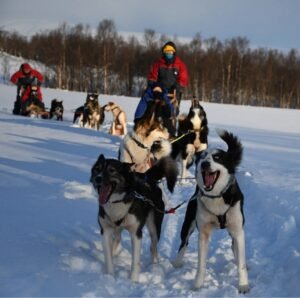
One of Tromsø’s most popular activities for good reason. Tours run on the mountain plateaus above the city and in wilderness areas outside the urban centre. Most include the option to drive your own sled with brief training beforehand — it’s more physical than it looks, and more fun. Tours range from 1.5-hour introductions to full-day expeditions. For families with young children, check minimum age requirements — most operators set these at 3–4 years for passengers.
Whale Watching
October to January, the fjords around Tromsø and nearby Skjervøy attract large concentrations of orcas and humpback whales following the herring. This is considered one of the world’s most accessible orca-watching opportunities. Tours range from 4-hour excursions to full-day expeditions.
📍 LOCAL INSIGHT
The whale watching season correlates with the herring migration, which can shift from year to year. November and December tend to be peak for concentration and proximity. Check recent reports from operators before booking — and know that some seasons are more spectacular than others.
Reindeer and Sami Culture
Several Sami-operated camps near Tromsø offer genuine cultural experiences: feeding reindeer, reindeer sledding, traditional joik music, and meals inside a lavvu (traditional tent). Camp Tamok and Tromsø Villmarkssenter are among the most respected operators. These experiences are particularly good for families.
Snowmobile Safaris
Guided tours operate from within 30–45 minutes of the city, climbing open mountain plateaus where the landscape is vast, white, and extraordinary. A popular combination with aurora watching — and a genuine adrenaline addition to any trip.
Fjellheisen Cable Car
The Fjellheisen gondola rises to 421 metres above the city, giving panoramic views of Tromsø island, the fjord, and the surrounding mountains. In winter, the views are extraordinary, and on clear nights the aurora can sometimes be visible from the platform. Check winter operating hours before visiting — they vary.
The Arctic Cathedral
The Ishavskatedralen — the Arctic Cathedral — is Tromsø’s most iconic building. Designed by Jan Inge Hovig and completed in 1965, the white triangular structure across the bridge from the city centre is one of the most photographed landmarks in northern Norway, and even more striking in winter with snow around it.
Where to Stay in Tromsø
The city centre and harbour area is the most practical base — walking distance to most restaurants, the Polar Museum, and the main departure points for tours. Most hotels are concentrated here. Tromsdalen, just across the bridge, is quieter and closer to the Arctic Cathedral. If you want a more remote aurora experience, wilderness lodges and cabins outside the city are available, though you’ll need a car or prearranged transport.
⭐ BOOKING ADVICE
- For December through February, book at least 3–4 months in advance. Good properties sell out.
- The Tromsø International Film Festival (mid-January) is the single busiest week — book even earlier if your dates overlap.
- Christmas and New Year accommodation becomes available for the following year and sells out fast.
Where to Eat in Tromsø
Tromsø’s restaurant scene is genuinely impressive for a city of its size. Arctic cod, king crab, and locally caught fish are the stars — Fiskecompagniet and Arctandria are two of the most respected fish restaurants. Reindeer appears on menus across the city: steak, stew, and even reindeer hotdog (a local street food staple). Norwegian comfort food — kjøttkaker (meatballs), fårikål (lamb and cabbage), and hearty brown bread — is everywhere.
📍 LOCAL INSIGHT
If you eat one thing in Tromsø, make it Arctic cod. It’s a completely different product from what you’d find anywhere further south — and it shows. The fish here is exceptional.
What to Wear: The Honest Guide
Winter temperatures range from approximately -10°C to +2°C depending on the month. Wind chill on open fjord or plateau can push the perceived temperature significantly lower. Layering is everything:
- Base layer: Merino wool or synthetic thermal — not cotton, which holds moisture
- Mid layer: Fleece or down insulation
- Outer layer: Waterproof and windproof jacket and trousers
- Head and neck: Warm hat, neck gaiter or balaclava for cold days
- Hands: Insulated gloves, or mittens for serious cold
- Feet: Insulated, waterproof boots with proper grip — non-negotiable on icy pavements
📍 LOCAL INSIGHT
Most guided tours provide one-piece Arctic suits — warm enough for anything Tromsø throws at you. Confirm this when booking; if they provide a suit, you don’t need to pack full Arctic gear from home. What they usually don’t provide: thermal base layers, gloves, and boots. Those you need to bring.
Practical Information
Currency: Norwegian Krone (NOK). Cards and contactless payment are accepted almost everywhere — cash is rarely needed.
Language: Norwegian, but English is spoken fluently by the vast majority of residents. In any tourism context, you will have no communication issues.
Safety: Tromsø is one of the safest cities in Europe. Crime rates are extremely low, the city is compact and well-lit, and solo travellers — including solo women — consistently report feeling very comfortable.
Getting online: Mobile data coverage is good throughout the city and on most tour routes. EU roaming applies for European visitors. Norwegian SIM cards are easy to buy at the airport.
How Much Does Tromsø Cost?
Norway is expensive — there’s no way around it. But with planning, a Tromsø trip is manageable:
- Budget meals: NOK 400–600/day using supermarkets and one budget restaurant meal
- Mid-range: NOK 800–1,200/day with café lunches and sit-down dinners
- Comfortable: NOK 1,500+/day with proper restaurant dining and drinks
Major activities like dog sledding and whale watching typically run NOK 1,200–2,500 per person. Northern Lights tours range from NOK 800–1,800 depending on duration and type.
⭐ SAVE MONEY LIKE A LOCAL
- Supermarkets are your friend. Grab breakfast and lunch there; eat dinner out.
- Book activities directly with operators when possible — some offer slight discounts over booking platforms.
- Travel in October, early November, or March. Prices drop noticeably outside peak months.
- Look for accommodation with a kitchen — cooking even two meals a day makes a significant difference.
Frequently Asked Questions
Is Tromsø worth visiting in winter?
Yes — emphatically. Winter is when Tromsø is at its most extraordinary. The combination of Northern Lights, Arctic wildlife, outdoor activities, and genuine city life is something you won’t find anywhere else at this scale.
How many days do you need?
Three to five days is ideal. Three nights gives you enough flexibility to catch the Northern Lights despite weather variability. Five days lets you experience a wider range of activities alongside aurora hunting.
Do you need a car in Tromsø?
Not necessarily. Most tours include accommodation pickup. A car is useful for independent day trips and self-guided aurora chasing, but is not essential for a standard first visit.
Is it safe for solo travellers?
Very. Crime rates are extremely low, the city is compact and well-lit, and English is spoken everywhere. This is one of the most welcoming cities in Europe for solo travel.
Is the aurora guaranteed?
Nothing in Arctic weather is guaranteed. With three to four nights during aurora season, most visitors see the lights at least once. But flexibility, patience, and clear skies are the key variables — not expensive tours.